
Understanding the Importance of Breast Density: Tamara’s Story
免責事項:Know Your Lemonsは、乳がん患者が共有する経験や物語を深く尊重します。これらの体験談に記載されているアドバイス、記述、事実は、必ずしも医学的な専門知識と一致するものではありませんし、すべての個人の状況に普遍的に適用されるものでもありません。乳がんは複雑で非常に個人差のある病状であり、これらの体験談は貴重な洞察や精神的な支えになりますが、専門的な医療アドバイスや治療の代わりになるものではありません。乳がんの診断、治療、管理に関する個別のガイダンスと意思決定については、常に資格を有する医療提供者にご相談ください。Know Your Lemonsは、乳がんに罹患した人々にとって最善のケアと転帰が得られるよう、患者、介護者、医療従事者の協力的なアプローチを奨励しています。
About Tamara
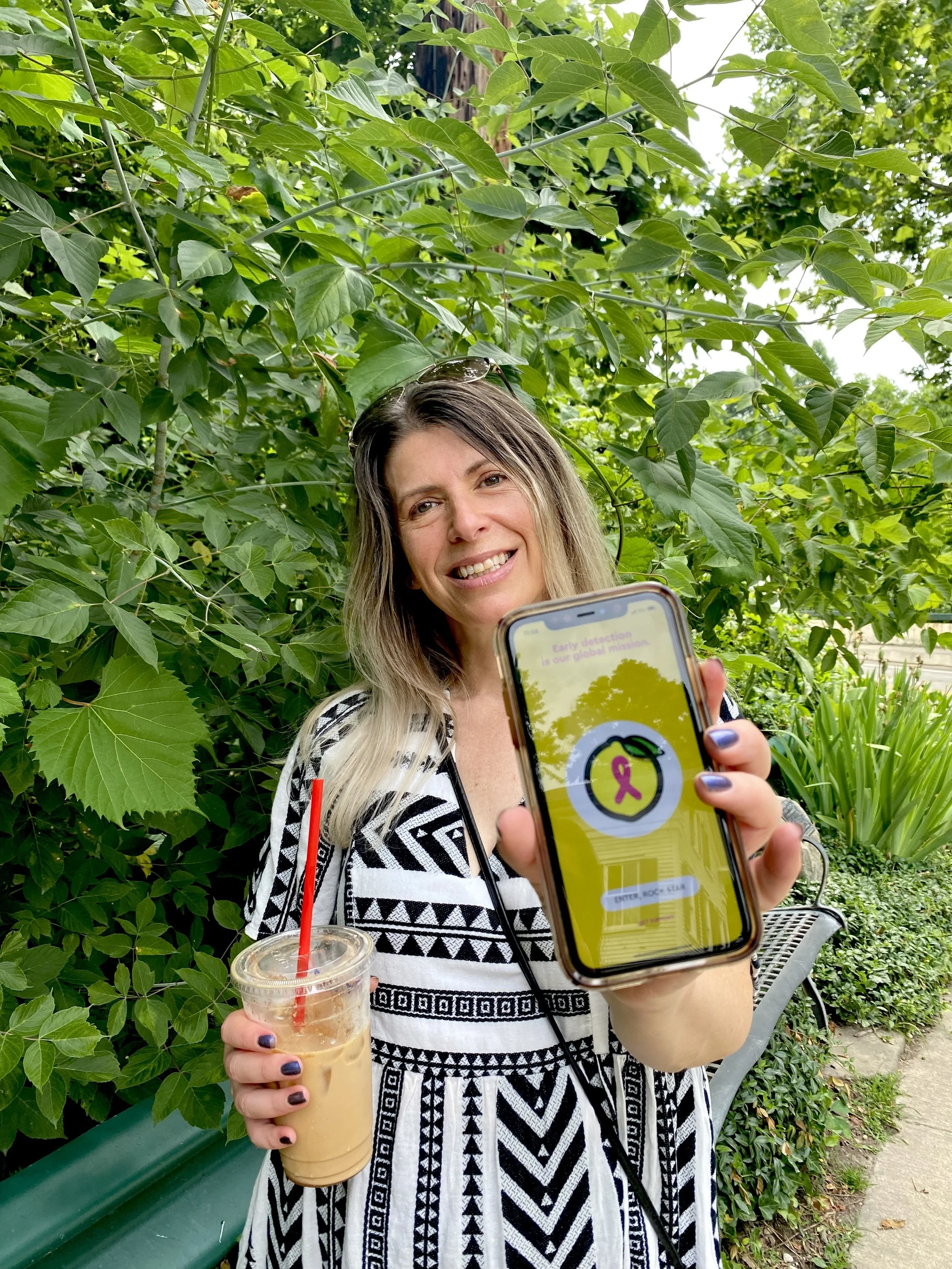
We’re pleased to introduce Tamara from Ohio. Tamara leads a rich life, balancing her time between her job as an administrative assistant and her personal interests, which include cooking, writing, researching, photography, and thrifting with her daughter.
Tamara is particularly proud of her two children, whom she considers her greatest accomplishment. In addition, she had the opportunity to contribute her testimony on the importance of knowing your breast density for The Dense Breast Screening Legislation in Ohio in 2021. She just recently started the Instagram account @breastdensitynow to help educate her audience about breast density.
An interesting tidbit about Tamara is her attempt to embrace new challenges following her breast cancer treatments. She decided to pursue a motorcycle license. The experience has been a reminder to her of her willingness to step out of her comfort zone and try new things.
We invite you to learn more about Tamara and the experiences that shaped her life.
Tamara’s Breast Cancer Story:
Hello, my name is Tamara, and I wanted to share a small part of my breast cancer diagnosis story with you today. When I was 45 years old, I noticed – while looking in the mirror – that I had some dimpling and puckering in an area of my breast. I initially thought it was just an indentation from my bra or that maybe I had slept on my side in a strange way, leaving a mark. So, I monitored it over several days; some days it disappeared completely, and other days it was more prominent. I mentioned it to my technician when I went in for my mammogram. This led to me receiving a 3D mammogram and an ultrasound, both of which did not show any cancer.
I knew I had dense breast tissue because, when I started getting mammograms at age 40, I was informed of this. I also had no family history of breast cancer, and I didn’t realize that 85% of people diagnosed with breast cancer have no family history. I also wasn’t aware that dense breast tissue made me more susceptible to developing cancer and that it also made it harder to detect cancer in screenings.
Ultimately, because the breast surgeon I saw did not think insurance would cover a standard breast MRI, I paid for my own abbreviated, fast breast MRI. That test revealed a six-centimeter mass, approximately two inches, that was cancerous and had spread to my lymph nodes. I had to undergo surgery, chemotherapy, and radiation. But that was nearly four years ago, and I'm still here. I continue to advocate for those with dense breast tissue to speak up and get second opinions. If you can, I highly recommend getting an MRI or an abbreviated MRI.
I am so grateful to Know Your Lemons for educating and providing this vital information. Understanding your body is crucial, but sometimes it takes that extra education and information to connect the dots and get the medical advice and attention you need. I’m thankful for Know Your Lemons and all the information they provide. Thank you.